
Estimated Time: 2–4 Min | Readers: 0
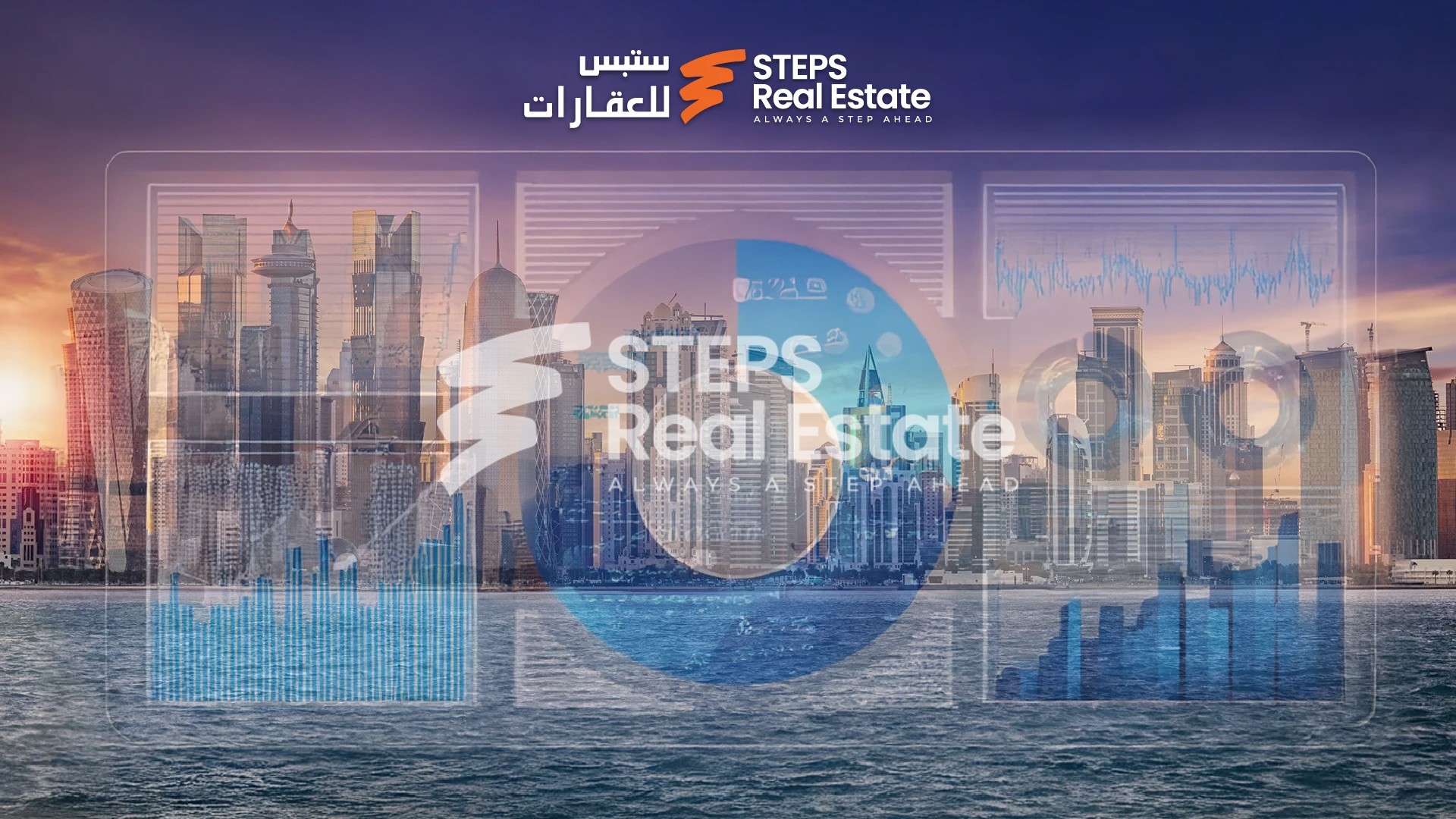
The year 2025 marked a major turning point for the Qatar real estate market 2025, characterized by strong transaction activity, stable pricing, and evolving investor behavior. After the post-World Cup normalization phase, the market demonstrated increased maturity and resilience, supported by regulatory clarity, infrastructure development, and sustained demand across residential properties and land assets.
This article presents a comprehensive Qatar property market analysis 2025, covering national transaction volumes, geographic distribution, asset class performance, seasonal trends, and investor behavior. It aims to provide practical and informative insights for property buyers, investors, and market observers seeking to understand how the market evolved and what indicators suggest for the future of property investment in Qatar.
This article presents a comprehensive Qatar property market analysis 2025, covering national transaction volumes, geographic distribution, asset class performance, seasonal trends, and investor behavior. It aims to provide practical and informative insights for property buyers, investors, and market observers seeking to understand how the market evolved and what indicators suggest for the future of property investment in Qatar.
National Market Overview

In 2025, Qatar recorded approximately 6,970 real estate transactions with a total traded value of around QAR 26.02 billion. This represented one of the strongest years in recent history in terms of transaction volume, reflecting high market liquidity and renewed confidence among both end-users and investors.
Key national indicators included:
* Average transaction value: QAR 3.73 million
* Median transaction value: QAR 2.15 million
* Total transacted area: approximately 5.12 million square meters
* Average price per square meter: QAR 7,176
* Median price per square meter: QAR 4,911
These figures indicate that market activity was driven primarily by a broad base of mid-sized transactions rather than a small number of high-value deals. This structure reflects healthy market depth, with participation from homeowners, individual investors, and developers.
Despite rising transaction volumes, prices remained relatively stable to slightly softer compared with the previous year. This balance between strong activity and controlled pricing suggests that market growth in 2025 was fueled by genuine demand rather than speculative pressure, creating a more sustainable environment for buyers and sellers.
* Median transaction value: QAR 2.15 million
* Total transacted area: approximately 5.12 million square meters
* Average price per square meter: QAR 7,176
* Median price per square meter: QAR 4,911
These figures indicate that market activity was driven primarily by a broad base of mid-sized transactions rather than a small number of high-value deals. This structure reflects healthy market depth, with participation from homeowners, individual investors, and developers.
Despite rising transaction volumes, prices remained relatively stable to slightly softer compared with the previous year. This balance between strong activity and controlled pricing suggests that market growth in 2025 was fueled by genuine demand rather than speculative pressure, creating a more sustainable environment for buyers and sellers.
Regional Performance

Geographically, market activity remained concentrated in Qatar’s main municipalities. Doha and Al Rayyan together accounted for more than half of all transactions and nearly seventy percent of total market value. Their continued dominance reflects their role as central residential, commercial, and mixed-use hubs supported by mature infrastructure and established communities.
Growth-oriented municipalities such as Al Daayen, Al Wakrah, and Umm Salal experienced strong transaction activity, driven by master-planned developments and expanding residential supply. Al Daayen recorded some of the highest average prices per square meter, supported by premium projects and its strategic location.
Outlying areas including Al Khor and Al Shamal registered lower transaction volumes and price levels but still showed meaningful market activity. This pattern suggests early-stage investment positioning and long-term development expectations in these regions.
Growth-oriented municipalities such as Al Daayen, Al Wakrah, and Umm Salal experienced strong transaction activity, driven by master-planned developments and expanding residential supply. Al Daayen recorded some of the highest average prices per square meter, supported by premium projects and its strategic location.
Outlying areas including Al Khor and Al Shamal registered lower transaction volumes and price levels but still showed meaningful market activity. This pattern suggests early-stage investment positioning and long-term development expectations in these regions.
Property Type Performance
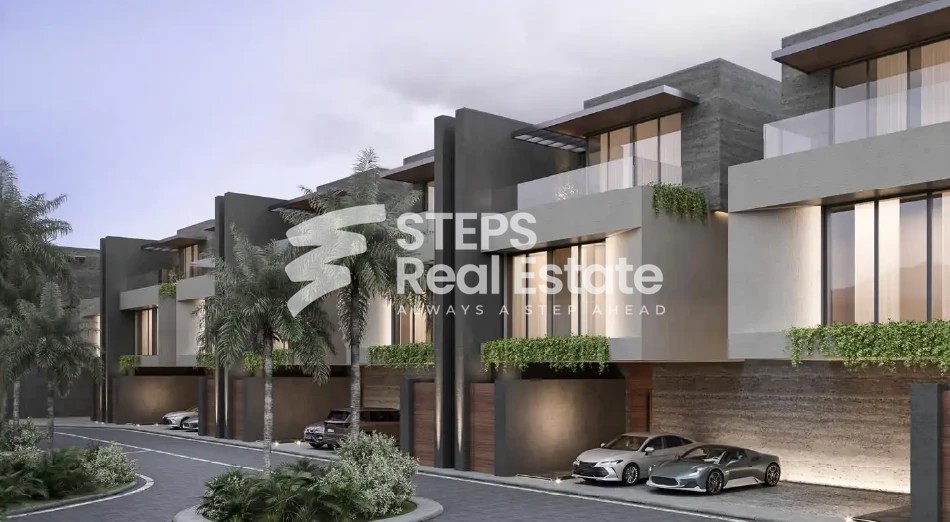
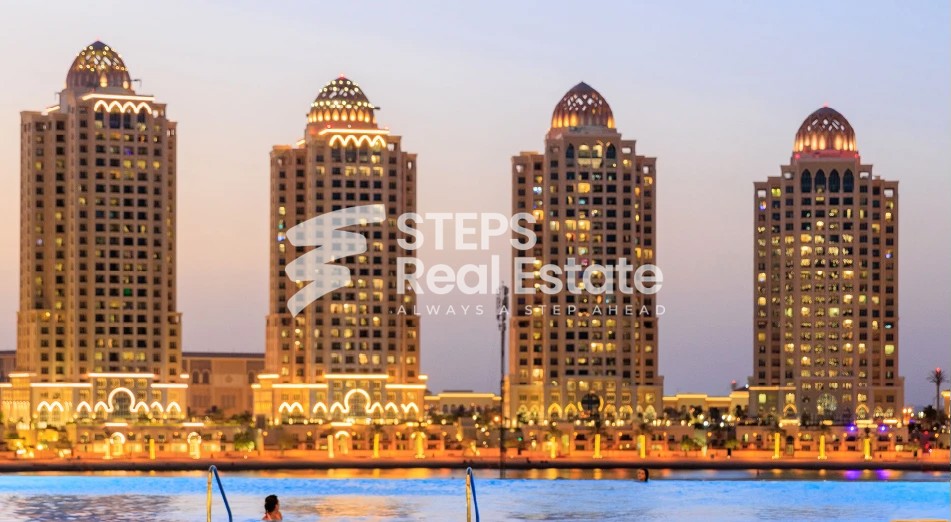
Residential houses represented the largest asset category by both transaction count and total value, exceeding QAR 8 billion. Villas continued to attract strong interest from end-users seeking long-term residency and lifestyle stability.
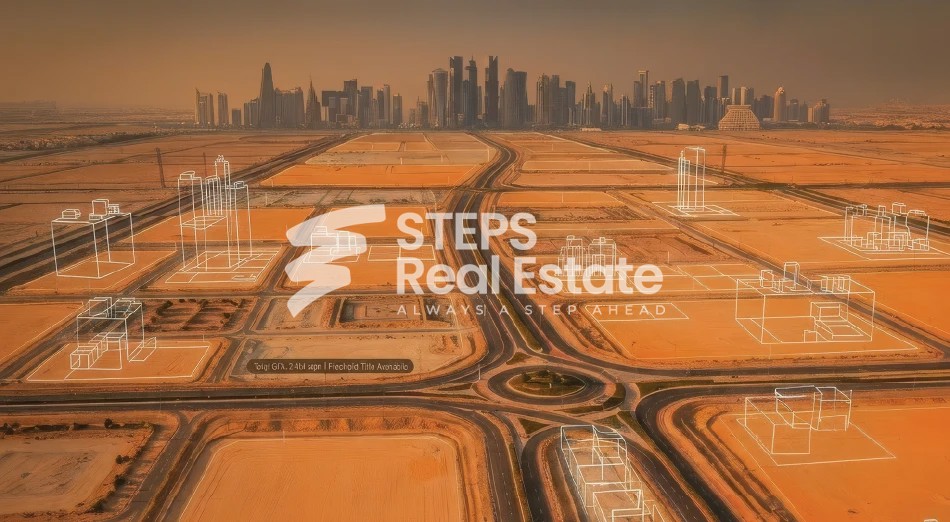
Vacant land transactions reached approximately QAR 7.9 billion in value. Most of these deals involved residential plots, while mixed-use and commercial land achieved significantly higher prices per square meter due to zoning advantages and development potential.
Residential units, including apartments, accounted for a large share of transaction volume but a smaller portion of total market value. This confirms their role as an accessible entry point for first-time buyers and expatriate investors, particularly in areas such as The Pearl, Lusail, and West Bay.
Commercial and mixed-use assets, although fewer in number, contributed disproportionately to overall market value, reflecting strategic and institutional investment activity.
Vacant land transactions reached approximately QAR 7.9 billion in value. Most of these deals involved residential plots, while mixed-use and commercial land achieved significantly higher prices per square meter due to zoning advantages and development potential.
Residential units, including apartments, accounted for a large share of transaction volume but a smaller portion of total market value. This confirms their role as an accessible entry point for first-time buyers and expatriate investors, particularly in areas such as The Pearl, Lusail, and West Bay.
Commercial and mixed-use assets, although fewer in number, contributed disproportionately to overall market value, reflecting strategic and institutional investment activity.
Monthly and Seasonal Trends

Transaction activity throughout 2025 followed a clear seasonal pattern. Volumes were lower during the first quarter, strengthened in the second quarter, softened during the summer months, and peaked again in the fourth quarter.
Months such as May, September, October, and November recorded the highest levels of activity in terms of both transaction volume and value. These trends align with project launch cycles, business planning periods, and buyer decision-making behavior.
Average prices per square meter remained relatively stable across the year, reinforcing that market expansion was driven mainly by transaction volume rather than rapid price increases.
Months such as May, September, October, and November recorded the highest levels of activity in terms of both transaction volume and value. These trends align with project launch cycles, business planning periods, and buyer decision-making behavior.
Average prices per square meter remained relatively stable across the year, reinforcing that market expansion was driven mainly by transaction volume rather than rapid price increases.
Investor Behavior

Investor activity in 2025 can be grouped into three main segments:
1. Stability-focused investors concentrated on villas and residential units in high-liquidity municipalities.
2. Growth-oriented investors and developers targeted vacant land in emerging development corridors.
3. Premium investors focused on limited-supply zones characterized by higher prices per square meter and strong legal ownership security.
This segmentation demonstrates that capital allocation has become increasingly selective, guided by infrastructure readiness, zoning clarity, and regulatory frameworks.
1. Stability-focused investors concentrated on villas and residential units in high-liquidity municipalities.
2. Growth-oriented investors and developers targeted vacant land in emerging development corridors.
3. Premium investors focused on limited-supply zones characterized by higher prices per square meter and strong legal ownership security.
This segmentation demonstrates that capital allocation has become increasingly selective, guided by infrastructure readiness, zoning clarity, and regulatory frameworks.
Legal and Ownership Framework Impact
Transaction patterns closely reflected Qatar’s real estate ownership regulations. Areas designated for foreign ownership and long-term usufruct rights recorded higher prices per square meter and stronger transaction continuity.
This alignment shows that regulatory clarity and residency-linked ownership incentives have become key drivers of market behavior. The expansion of foreign ownership zones during 2025 further strengthened confidence among international investors and supported long-term market stability.
This alignment shows that regulatory clarity and residency-linked ownership incentives have become key drivers of market behavior. The expansion of foreign ownership zones during 2025 further strengthened confidence among international investors and supported long-term market stability.
Emerging Areas and Development Corridors
Municipalities such as Al Wakrah, Al Wukair, Lusail, and Umm Salal continued to attract growing attention as development corridors supported by infrastructure investment and new residential communities.
These locations offer more competitive price levels compared to central Doha while providing long-term growth potential, making them appealing to families and long-term investors alike.
These locations offer more competitive price levels compared to central Doha while providing long-term growth potential, making them appealing to families and long-term investors alike.
Market Structure and Capital Allocation
The coexistence of residential assets, land transactions, and premium commercial properties highlights a diversified and balanced market rather than a single speculative cycle. High transaction volumes combined with stable pricing suggest that supply and demand are interacting efficiently.
The market has entered a more structured and selective growth phase, with capital increasingly directed toward locations defined by infrastructure readiness, planning clarity, and ownership security.
The market has entered a more structured and selective growth phase, with capital increasingly directed toward locations defined by infrastructure readiness, planning clarity, and ownership security.
Outlook
Indicators from 2025 support expectations of continued stability with moderate growth. Residential demand is expected to remain the primary driver of transaction volume, while land activity will continue to reflect future development strategies.
Premium and foreign-ownership zones are likely to maintain pricing strength, supported by regulatory certainty and sustained international investor interest.
Premium and foreign-ownership zones are likely to maintain pricing strength, supported by regulatory certainty and sustained international investor interest.

Conclusion
The Qatar real estate market in 2025 demonstrated high liquidity, disciplined pricing, and strategic concentration. Residential villas and vacant land formed the foundation of market activity, while apartments and commercial assets provided diversified investment opportunities.
Geographic concentration in Doha and Al Rayyan continued, alongside the rising importance of emerging municipalities as new development corridors expand. Investor behavior became more segmented and selective, reflecting a maturing and increasingly data-driven property market.
Overall, the trends observed in 2025 establish a solid foundation for long-term stability and informed decision-making in the years ahead.
Geographic concentration in Doha and Al Rayyan continued, alongside the rising importance of emerging municipalities as new development corridors expand. Investor behavior became more segmented and selective, reflecting a maturing and increasingly data-driven property market.
Overall, the trends observed in 2025 establish a solid foundation for long-term stability and informed decision-making in the years ahead.
Disclaimer
This analysis is based on aggregated transaction data for the year 2025. While efforts have been made to ensure accuracy and consistency, figures may differ from Ministry of Justice reports due to variations in data classification, registration timing, and analytical methodology. Readers are encouraged to consult publications from the Ministry of Justice Real Estate Registration and Documentation Department for official statistics.